
Smart Infrastructure Monitoring Built for Real Field Conditions
Give operations teams visibility into distributed assets, changing conditions and the events that need a response.
Field sensing, wireless connectivity, monitoring dashboards and mobile alerts — brought together in a practical operational workflow.
Five applications. One practical workflow.
Each application starts with an event that matters to the operator. The sensing configuration, installation and acceptance checks are matched to that asset and its field environment.
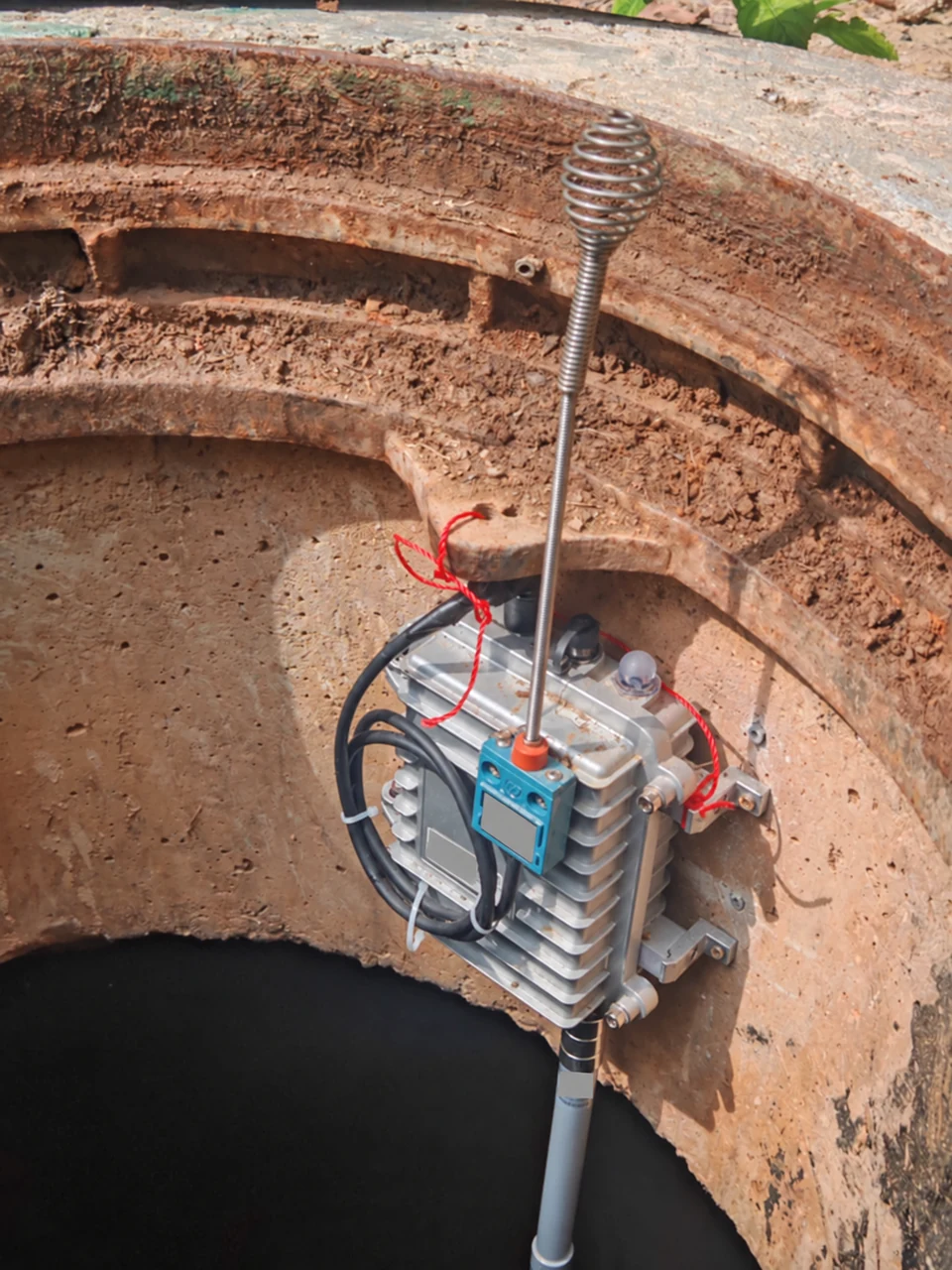
Manhole & Underground Chamber Monitoring
Review cover activity, event history and device health.
Explore Use Case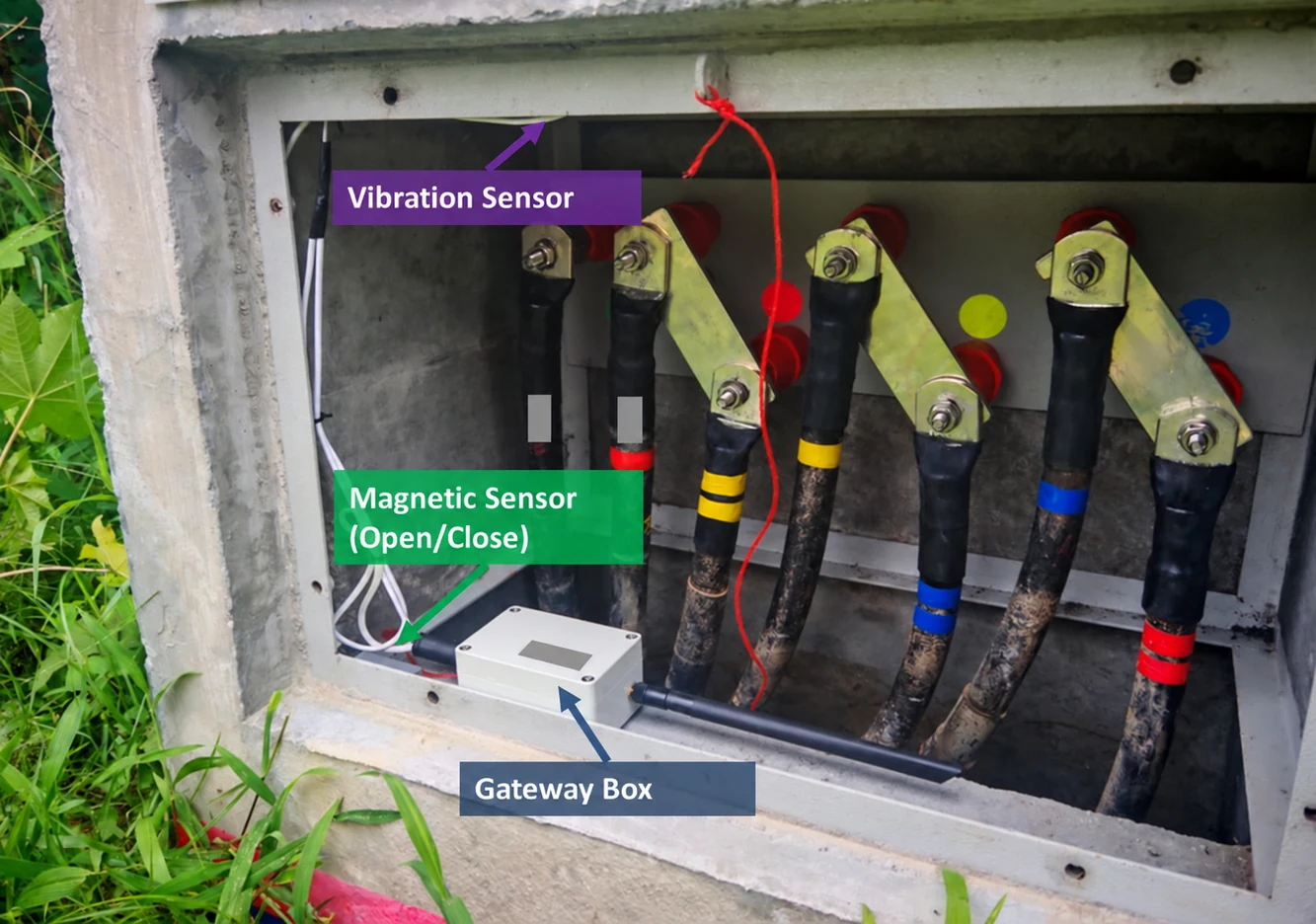
Roadside Junction Box Monitoring
Monitor enclosure access and physical disturbance.
Explore Use Case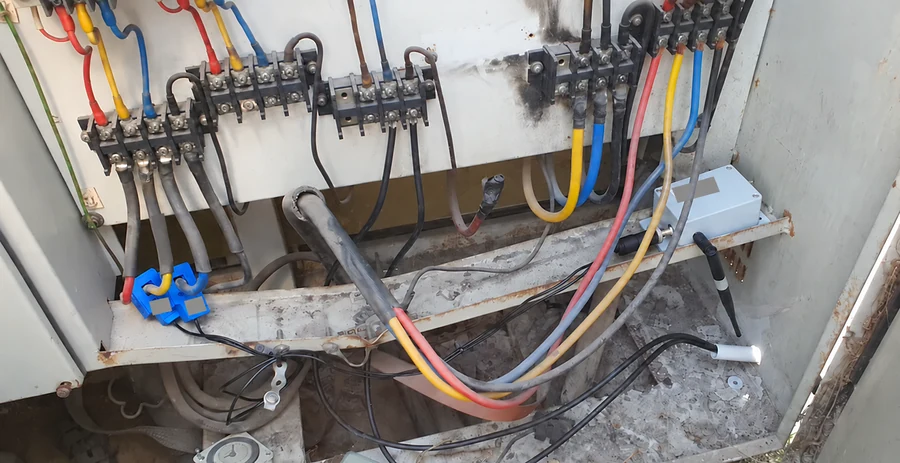
Streetlight & Electrical Asset Monitoring
Follow circuit-current trends and abnormal conditions.
Explore Use Case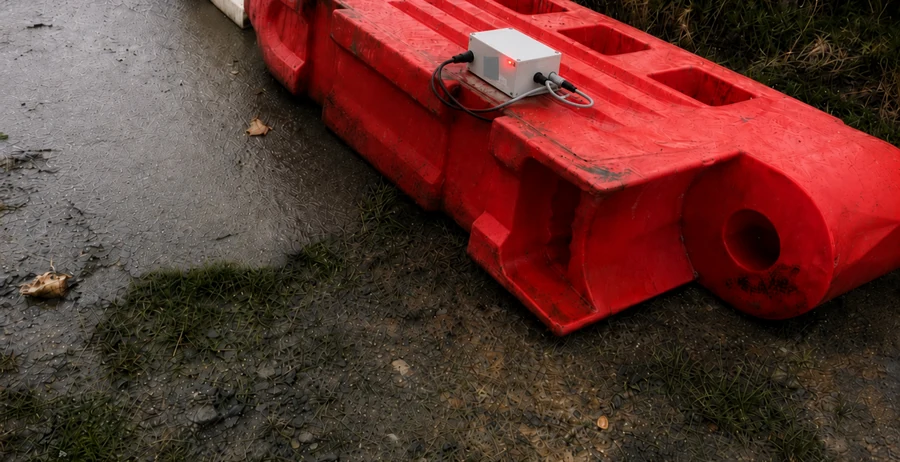
Road Barrier & Work Zone Monitoring
See position, tilt events and restoration records.
Explore Use Case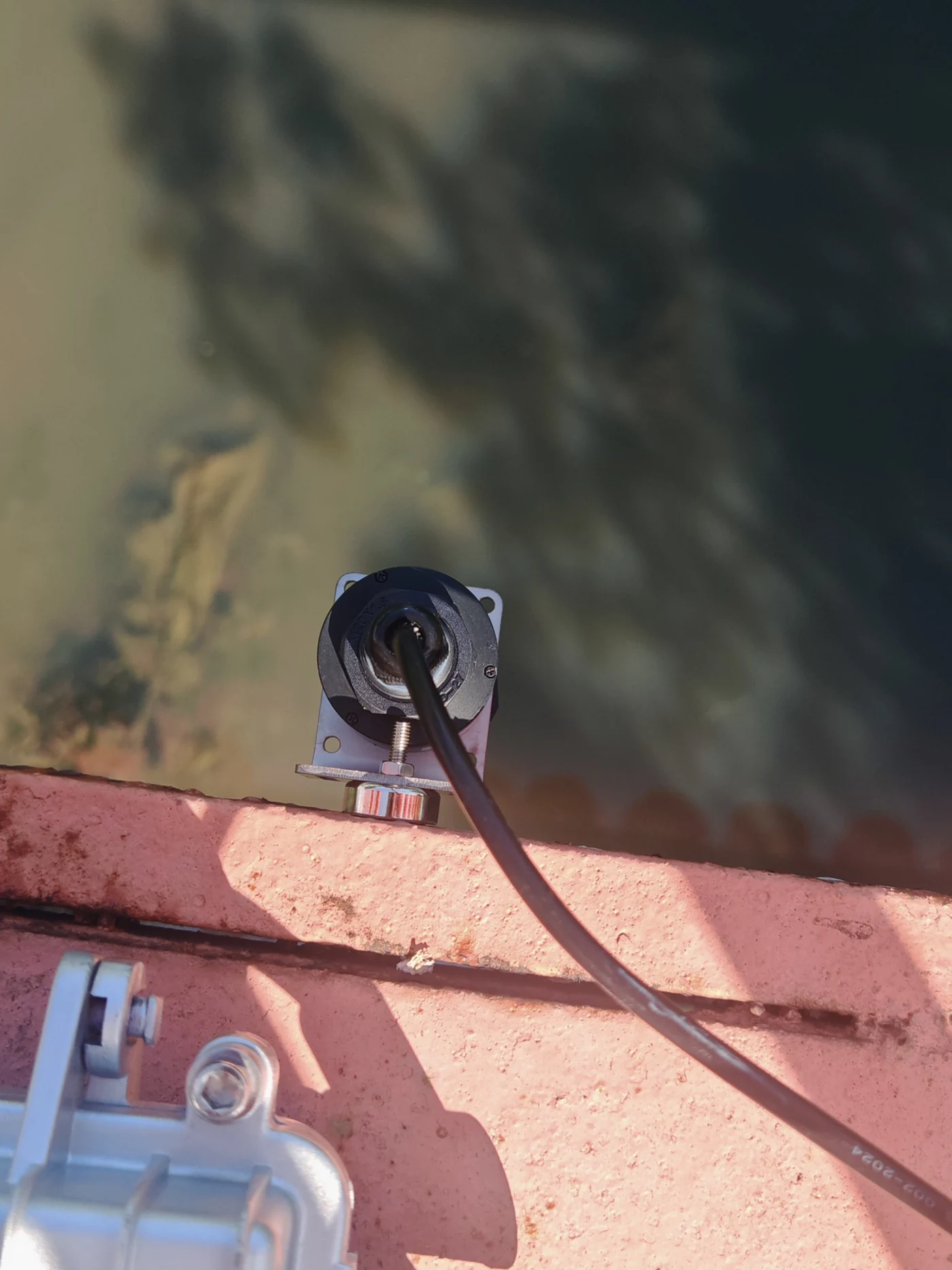
Water Level & Flood Early Warning
Track water level and configured warning thresholds.
Explore Use CaseFrom field event to operational response
Sense
An application-specific sensor records the relevant physical condition.
Transmit
Wireless connectivity carries events and device telemetry.
Review
The dashboard presents status, trends and timestamped records.
Notify
Configured event rules route mobile alerts to responsible personnel.
Verify
The operations team checks the field condition and records the response.
Field validation shapes the engineering
Installation is the beginning of validation.
Closed covers weaken radio signals. Weather can produce vibration. A sensing mechanism needs to fit the asset correctly.
Documented field work has addressed these conditions through antenna and communication improvements, mechanical adjustment, remote threshold tuning and repeated event checks.
Evidence levels differ by application. Live field validation, on-site monitoring, controlled prototype testing and proof-of-concept results are identified clearly on each page.
A measured path from pilot to deployment
Survey & install
Review the asset, mounting constraints and field connectivity.
Register & baseline
Record configuration, battery condition and signal baseline.
Controlled test
Trigger the relevant condition using an agreed test procedure.
Tune & verify
Adjust thresholds and check delivery against field observations.
Report & scale
Review evidence and the response workflow before expansion.
Discuss Your Monitoring Requirement
Tell us what asset you need to monitor, the field environment and the event you need to detect. We can propose a practical pilot configuration.
Email AI-REKA